Willkommen auf der Seite der "Textinitiative Fukushima"
Die Seiten der Textinitiative Fukushima werden derzeit von der Japanologie der Goethe-Universität betrieben. Gegenwärtiges Anliegen von TIF ist die zeitgeschichtliche Dokumentation. Das Forum dient nun in erster Linie als Archiv für Informationen zu 3/11 sowie allgemein zur Geschichte des Atomaren. Die Suchfunktion ermöglicht Recherchen zu Stichworten, Inhalten und Akteuren.
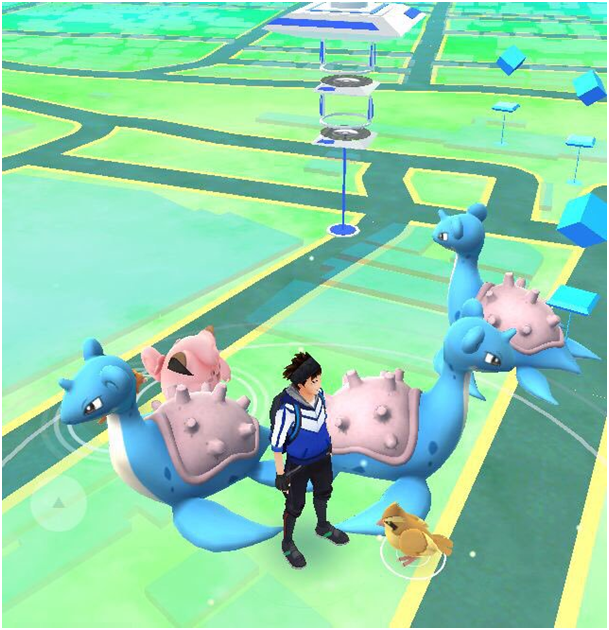
| Lapras bringt Geld nach Fukushima | 22.12.2016 |
„Die Lapras lockten allein in der Stadt Ishinomaki ungefähr 100.000 Touristen an, die gaben 2 Milliarden Yen aus, das sind umgerechnet 16,3 Millionen Euro. Die Zahlen stammen von der Miyagi-Präfektur.“ (mein-mmo.de, 22. Dezember 2016) Lapras: About - Die Menschen sind dafür verantwortlich, dass Lapras fast ausgestorben wäre. Abends singt es traurige Klagelieder, da nur noch wenige seiner Artgenossen übrig sind. Links: PS.: Lapras waren auch in Bayern: Lapras vor Neuschwanstein gesichtet |
|
| Verkehrslinie nach Nordost-Japan wieder aufgebaut und ein Augenzeugenbericht von Ayase Maru | 12.12.2016 |
Bei Ayase Maru 彩瀬まる (*1986) handelt es sich um eine junge Schriftstellerin, die über ihre Erlebnisse bereits geschrieben hat – den Text Kurai yoru, hoshi wo kazoete. 3.11 hisai tetsudo kara no dasshutsu (2016, Erstveröffentlichung 2012; Sterne zählen in dunkler Nacht. Wie ich der Zughavarie von 3.11. entkommen bin): „ひとりで東北を旅行中、私は常磐線の新地駅で被災した。命からがら津波を逃れ、見知らぬ人の家で夜を明かした次の日、原発事故を知らせる防災無線が飛び込んできた――情報も食べ物も東京へ帰るすべもないまま、死を覚悟して福島をさまよった五日間。若き女性作家があの日からの被災地をつぶさに見つめた胸つまるルポルタージュ.“ http://www.shinchosha.co.jp/book/331961/ |
|
| Fundstück: Windtelefon zu den Toten | 07.12.2016 |
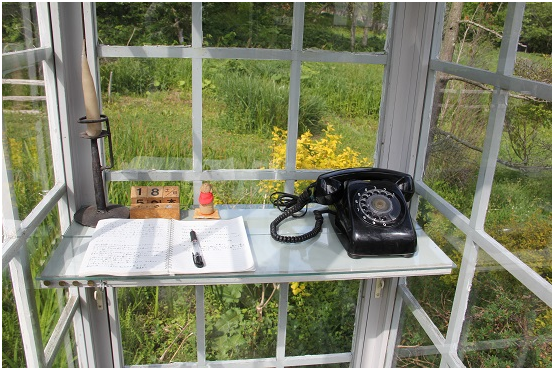
On a hill overlooking the ocean in Otsuchi Town in northeastern Japan is a phone booth known as the "Telephone of the Wind". It is connected to nowhere, but people come to "call" family members lost during the tsunami of the 2011 Great East Japan Earthquake. Many visit the phone booth including a mother and 3 children who have lost their father. This documentary looks at the unique role that this phone is playing in helping the grieving process of many.” (NHK 2016) Links: https://www3.nhk.or.jp/nhkworld/en/tv/documentary/201605200600/ https://www.youtube.com/watch?v=ke-H5EEqvRs https://magazin.spiegel.de/SP/2016/47/148008183/?utm_source=spon&utm_campaign=centerpage |
|
| Diskriminierung in Japan – Evakuierte erfahren „Bullyism“ (ijime) | 05.12.2016 |
Die Mainichi berichtet am 2. Dezember von einem neuen Fall von Schikane, die ein aus Fukushima evakuierter Schüler kürzlich erleiden mußte, als Schüler und der Lehrer seiner Klasse ihn als „Bazille“ beschimpften: “The fourth-grade pupil told the teacher, in his 40s, before the summer holidays that he was distressed as other pupils were addressing him by adding "germ" to his name. According to the education board, the teacher then added "germ" while addressing the boy in a classroom on Nov. 22, just five days after the boy approached the teacher again about his treatment by fellow pupils. Nov. 22 was also the day of a strong earthquake off Fukushima in the early morning, reminding many of the massive March 2011 quake and tsunami that triggered the nuclear crisis at the Fukushima Daiichi nuclear plant. On Nov. 24, the boy's parents complained to the elementary school and other teachers interviewed every pupil in the class five days later. "Despite being approached by the pupil for help, the teacher said something extremely inconsiderate and inappropriate," an official of the education board said.” (Mainichi, 2. 12. 2016) Link: http://mainichi.jp/english/articles/20161202/p2g/00m/0dm/082000c |
|
| Fukushima als Kostenfaktor: Neue Berechnungen | 30.11.2016 |
„Die Kosten der Katastrophe im japanischen Atomkraftwerk Fukushima belaufen sich Insidern zufolge voraussichtlich auf 201 Milliarden Dollar. Damit wäre die Summe mehr als doppelt so hoch wie zuvor geschätzt, sagte eine mit den Beratungen der Regierung vertraute Person. Das Industrieministerium in Tokio hatte 2013 erklärt, für Aufräumarbeiten und Kompensationszahlungen für die betroffenen Menschen in der Unglücksregion müssten knapp 98 Milliarden Dollar aufgebracht werden.“ ntv, 30. 11. 2016 Links: http://www.n-tv.de/politik/Fukushima-Kosten-steigen-auf-200-Milliarden-article19215746.html |
|
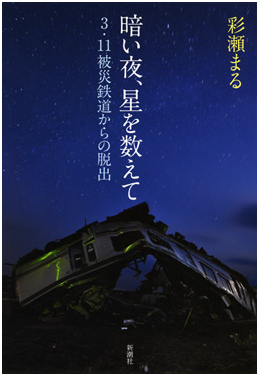 “The section that is back in business runs from Hamayoshida Station in Watari, Miyagi Prefecture, to Soma Station in Soma, Fukushima Prefecture. The latest work means that all coastal sections traversing hard-hit Miyagi Prefecture are again connected by the lines operated by East Japan Railway Co. However, parts of coastal sections in Iwate and Fukushima prefectures still remain impassable. Those sections will not be back in operation until 2020. The new route involved moving a section covering 14.6 kilometers as much as 1.1 km inland, building three stations and constructing elevated tracks. The total cost came to 40 billion yen ($350 million). When the tsunami struck the coast of the Tohoku region in northeast Japan, Joban Line trains were in operation. While one train was mangled beyond repair and stations were also destroyed, all passengers and train employees managed to flee to safety. The writer Maru Ayase, 30, was a passenger on a train that departed Sendai and was headed for Iwaki, Fukushima Prefecture, on the day of the disaster. The train she was on was delayed and forced to stop at Shinchi Station in Fukushima Prefecture when the magnitude-9.0 Great East Japan Earthquake struck. Ayase recalled that the train car swung violently and she experienced whiplash. The woman sitting next to her grabbed on to her. The unnerving swaying seemed to last for 10 minutes. Ayase and the woman sitting next to her decided to leg it to the next town. Walking along a road about a kilometer from the coast, Ayase saw a huge wave approaching and panicked. Running for her life toward higher ground, Ayase managed to reach safety. Two young police officers who happened to be on the same train guided the 40 or so other passengers to a town government building further inland. (Asahi Shinbun, 10. Dezember 2016). Link:
  “Hello. If you're out there, please listen to me".
|
451-455 von 811
|